
Sports fanzones

The Ultimate Guide to Sport Fan Zone Heaters
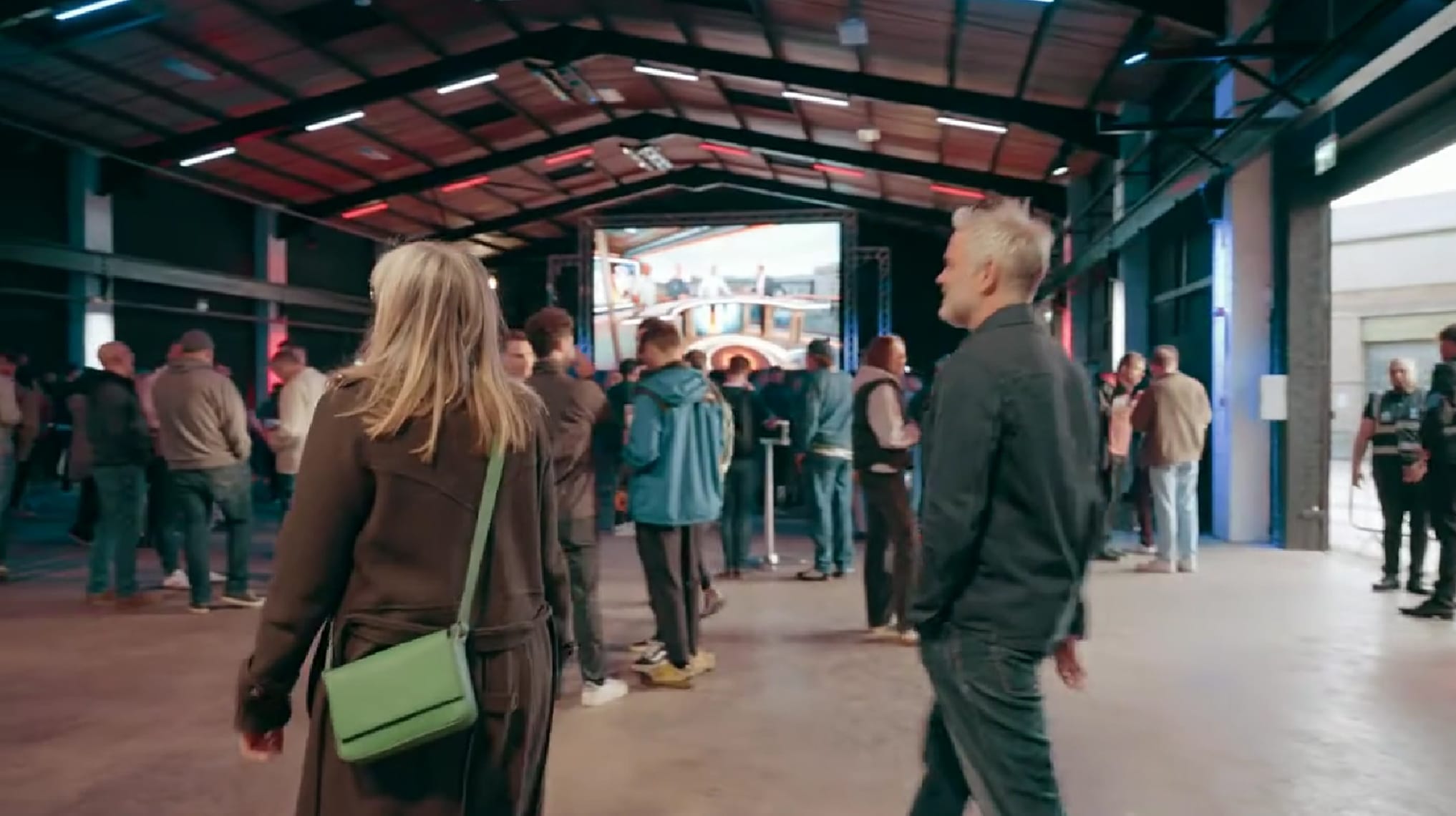
Creating an unforgettable atmosphere in a sports fan zone requires much more than just big screens and great food. Whether you manage an outdoor concourse, a temporary marquee, or a permanent stadium hospitality space, spectator comfort is essential. Traditional convection systems often struggle in large or semi-covered environments. They waste warmth and drive up your energy bills.
To deliver a comfortable experience, venue managers must evaluate the best ways to keep crowds warm without inflating operating costs. Choosing the right approach transforms a chilly match day into a cosy, welcoming environment.
Why Choose Infrared Heating for Sports Facilities?
When designing a reliable heating solution for large crowds, traditional warm air blowers frequently fall short. They rely on heating the entire volume of space, which is inefficient and costly. Instead, modern technology targets people directly.
- Targeted Comfort: High-powered infrared heaters deliver instant warmth directly to individuals.
- Energy Efficiency: By focusing on zone heating, venues only warm the specific areas where fans gather.
- Lower Running Costs: Efficient radiant heating significantly reduces overall expenses compared to legacy gas systems.
- Versatile Applications: These heaters are designed to integrate seamlessly into diverse architectural layouts, from massive stadiums to multi-purpose leisure spaces.
The Problem With Traditional Convection Systems
Old-fashioned heating methods heat the air rather than the people inside the space. In open or semi-open fan zones, warm air rises instantly and escapes through open doorways, high ceilings, or unsealed sides. This constant loss forces heating units to work overtime, resulting in excessive power consumption and frustrating cold spots where fans stand or sit.
Infrared systems bypass the air entirely. They use electromagnetic waves to transfer warmth directly to skin, clothing, and solid objects. This means wind and drafts cannot blow the heat away, ensuring your guests stay warm even when outdoor temperatures plummet.
Optimising Your Fan Zone Temperature
Maintaining a stable air temperature in high-traffic spectator areas prevents chill and extends venue usability throughout colder months. Unlike a traditional indoor sports hall heating system—which might be optimised for a quiet yoga class or athletic training- a fan zone faces constant foot traffic and high ventilation.
To combat heat loss, implementing high-intensity heating options ensures that your guests remain warm and engaged from kickoff to the final whistle.
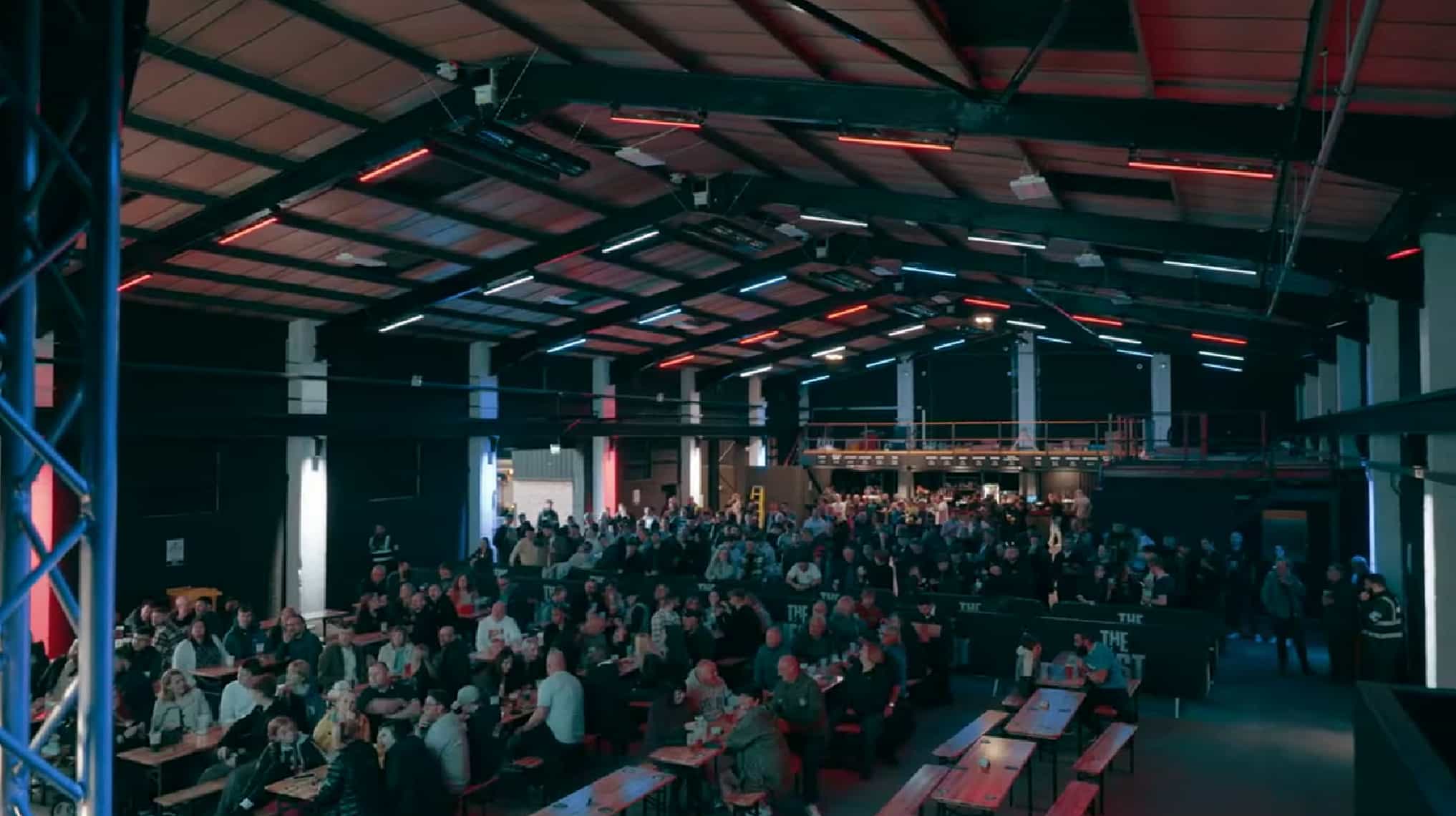
- Strategic Placement: Mount units above main seating rows, bar counters, and outdoor viewing platforms.
- Smart Controls: Install motion sensors and timers so units only run when crowds are actively present.
- Weather Resistance: Ensure all selected hardware features high water-resistance ratings for outdoor durability.
Expert Insight: Choosing the best sports hall or fan zone setup means balancing fast heating with long-term sustainability. Integrating advanced technology guarantees that your energy efficient strategy keeps both your fans comfortable and your overheads low.
Enhancing Fan Experience and Venue Revenue
When fans are cold, they leave early, buy fewer drinks, and cut their social time short. Keeping your fan zone warm directly impacts your venue’s profitability. Comfortable spectators stay longer, spend more at concession stands, and enjoy a better overall experience.
Furthermore, upgrading to modern electric infrared technology demonstrates your venue’s commitment to modern, sustainable operations. It reduces your carbon footprint while providing powerful, reliable warmth that meets the rigorous demands of modern sports entertainment.
Frequently Asked Questions
How do infrared systems differ from fan heaters?
Standard fan heaters move air mechanically, which can be noisy and ineffective in drafty outdoor zones. Infrared technology transfers warmth directly via light waves, ensuring consistent comfort regardless of ambient air movement.
Are these systems suitable for semi-outdoor spaces?
Yes. Because radiant energy warms objects and people directly, it remains effective even in open-sided marquees and covered concourses.
Do infrared units require significant maintenance?
No. Because they have no moving parts or filters to clean, they require minimal upkeep compared to gas or ducted air systems.
Superior design & performance to any other infra red heater on the market
PRODUCTS TO SUIT THIS APPLICATION
-

Perfect heating solution for industrial areas and large open spaces.