
Office Heating

With business energy prices at eye-watering levels, more and more companies are looking for ways they can reduce their office energy consumption & bills.
Offices are a key feature of most businesses so it’s no surprise that they are a big energy user. Government research 1 estimates that offices, along with retail, are the two largest sectors in terms of energy usage, accounting for 17% each.
Energy efficiency benefits the bottom line
Working to reduce the energy your offices use is a great way to improve a company’s bottom line. For instance, for a company with a 5% profit margin over 3 years, a £5,600 a year saving from energy efficiency makes the same profit as £30,000 of extra sales 2.
Heating is a major focus
Many businesses are doubling down on heating costs and it’s easy to see why. A major government-backed study3 found that heating accounted for 41% of total non-domestic energy consumption.
Ways to reduce office heating costs
Reducing your office heating bill needn’t be complicated or costly. Below we provide some simple ways that you can trim your spending.
Choose an efficient form of heating
There are four main fuels used in office heating systems
- Gas
- Oil
- Electric
- Liquid petroleum gas (LPG).
Gas is the most popular type of fuel in the UK. It is the cleanest of the fossil fuels, emitting half of the CO 2 emissions compared to oil. However, it still emits CO2 so it cannot be considered a ‘green’ method of heating your business. The same is true for oil which, in commercial settings, is more commonly used in the form of Gas Oil. LPG can convert a high percentage of energy into heat, but it still lags behind electric heaters.
Tansun’s infrared heaters typically convert 96% of energy into heat. An important added bonus is that electric heaters, if powered by renewable energy, open up the prospect of zero-emission during usage.
Don’t overheat
Heating costs increase by around 8% for every 1° C increase so it’s very important that you don’t overheat your offices. The Carbon Trust reports 4 that the optimum operating temperature for an office is between 21 and 23°C so stick to this range unless there is a clear reason not to. But don’t forget, you don’t need to heat all areas equally. Corridors, storerooms and areas of physical activity can be set to lower temperatures.
Use controls
It’s vital that your office heating system does not heat when areas are not occupied. The same also applies to times when they are not needed (e.g. during the summer months, weekends etc). It sounds obvious but make sure that your heating system includes controls that allow you to adjust according to these needs. Also, consider installing motion sensors so that heating is turned on only when people are present. We offer a range of controls for our heaters, everything from remote controls and motion sensors to sophisticated thermostatic & time controls.
Reduce space volume
If your office has high ceilings, adding a suspended ceiling is a really effective way of reducing the space you need to heat. Our Efficiency range of Infrared Heat Panels is perfect for fitting into ceilings.
Other considerations
Reducing emissions
Most offices are looking to reduce heating costs but also want to reduce their CO 2 emissions at the same time. There is a long way to go, 80% of heating in offices is still powered by fossil fuels such as gas & oil5. By contrast, switching to electric sources of office heating and coupling the switch with renewable energy tariffs provides the potential for emission-free heating.
Tansun infrared office heaters
Tansun has conducted extensive market research to understand the challenges of heating offices and has developed the ideal office heating solution.
Efficiency Radiant Heat Panel Series

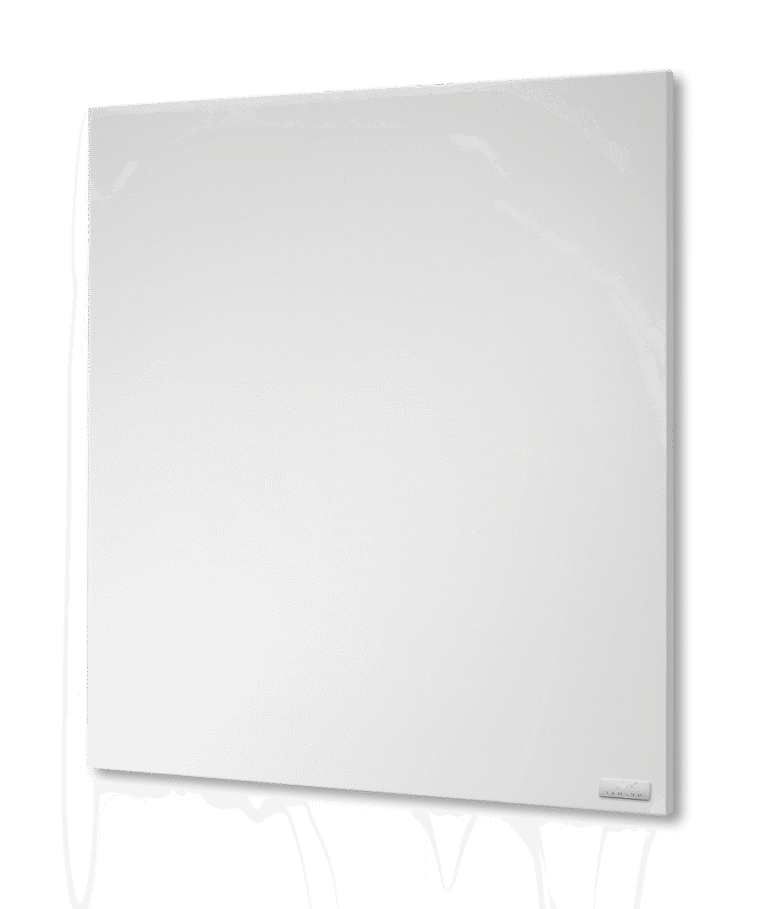
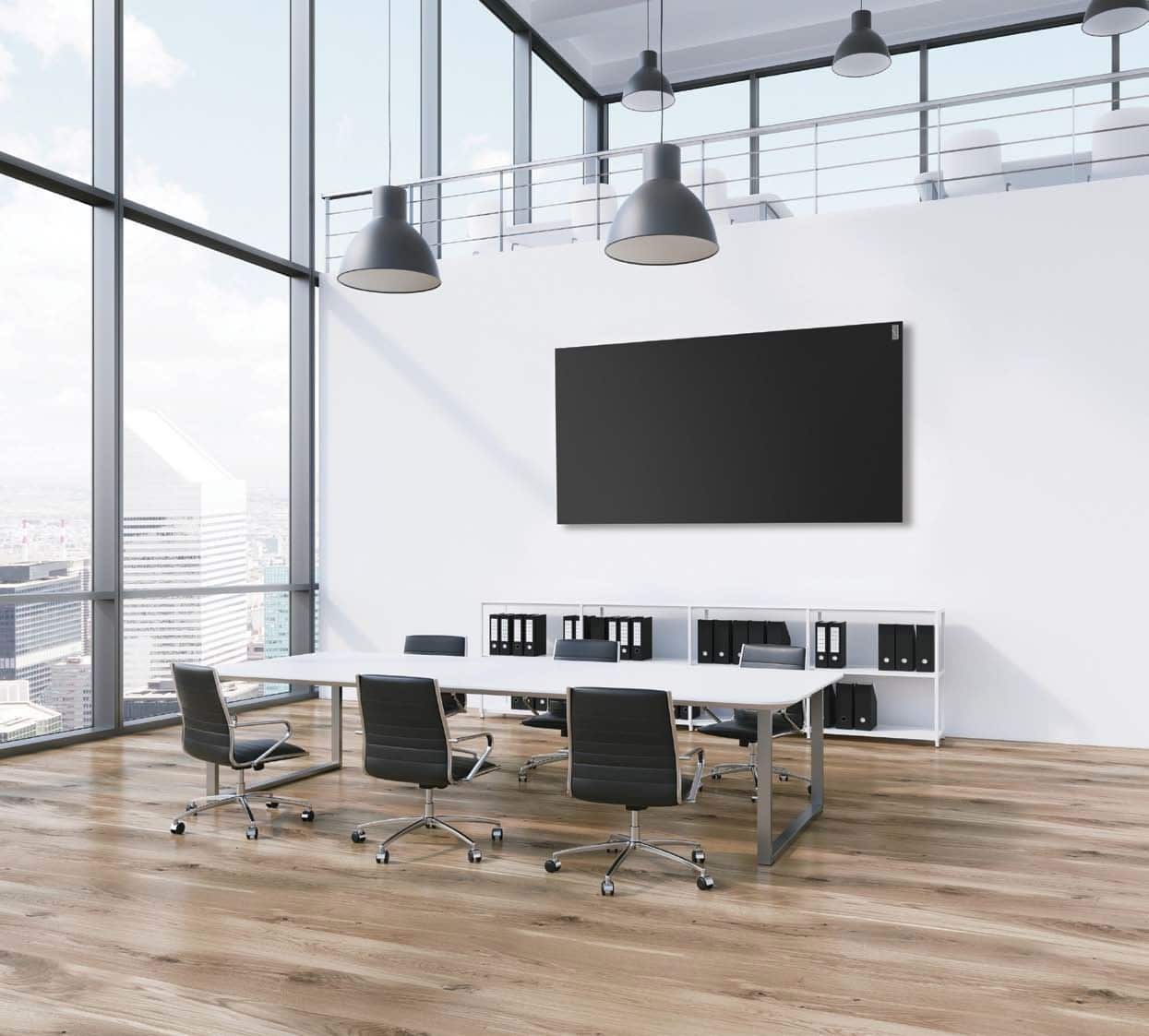
Ideal for office environments and anywhere you are looking to replace central heating radiators, our radiant heating panels provide even heat distribution to gently warm people and objects before targeting the surrounding air. Three panel heaters have been developed by Tansun in different sizes to cater for numerous areas. The Efficiency Series 600 (300W), 900 (610W) and 1200 (785W), are extremely low wattage and ideal for reducing energy bills without sacrificing comfort.
Why our infrared panel heaters are the best choice for office heating:
|
You can read more about how infrared heat panels can help with office heating in our blog post ‘ Office Heating is never one size fits all’.
References
1. Building Energy Efficiency Survey (BEES) 2014-15, Department for Business, Energy & Industrial Strategy
2. SME Guide to Energy Efficiency, Department of Energy & Climate Change
3. Building Energy Efficiency Survey (n 1)
4. Heating, ventilation and air conditioning guide Saving energy without compromising comfort, The Carbon Trust, 2017
5. Building Energy Efficiency Survey, BEES Sector Tables Department for Business, Energy & Industrial Strategy


Superior design & performance to any other infra red heater on the market
PRODUCTS TO SUIT THIS APPLICATION
-

Stylish Infrared Heat Panels
-

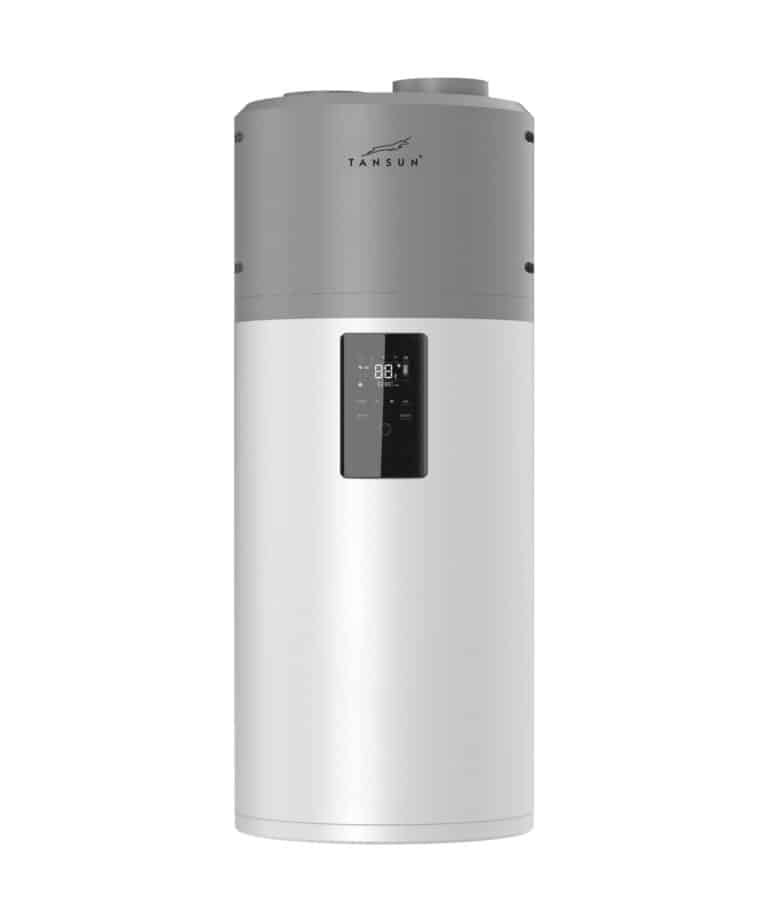
Air Sourced Hot Water Cylinders for commercial and domestic spaces.
-

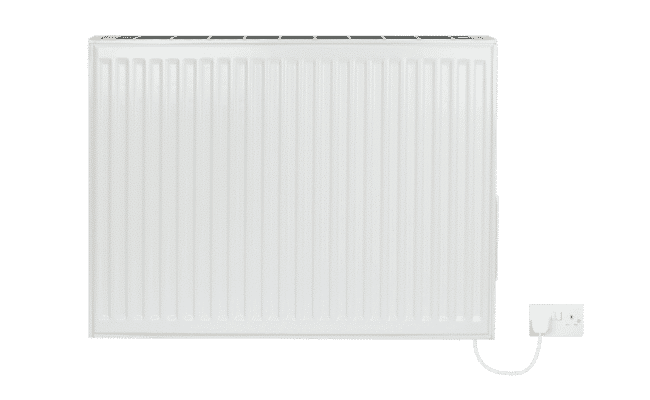
Modern pipe-free electric radiator featuring a self-contained central heating system.