
Process Heating & Drying
Modern Process Heating & Drying Solutions
Faster drying for industrial processes
Drying is an important part of many production processes. Paint, coatings, paper, textiles, metals and food products may all need to dry before they can move to the next stage. Slow drying can hold up production and increase costs.
Our heating & drying solution uses Apollo infrared heaters to provide fast and controlled heat. We design each system around your process, so you get the right heat, in the right place, at the right time.
Our systems can help reduce drying times, improve product consistency and increase production speed. They can also support automated production lines, making them suitable for a wide range of industrial applications.
Speak to our team about your process heating and drying needs.
The challenge of industrial drying
Drying can become a major production bottleneck. A product may need to dry after painting, printing, washing or coating. Until it is dry, it may not be ready for the next stage of production.
Many businesses rely on natural drying or heated air. These methods can take a long time and may be difficult to control. Changes in temperature, humidity and airflow can also affect the final result.
This can lead to longer production times, delays between stages, inconsistent drying, more manual work and higher running costs. It can also mean using valuable floor space for large drying areas.
A dedicated drying system can help solve these problems. Infrared heating gives you another way to dry products by directing heat towards the material or surface. This can make the drying process faster and easier to control.
Drying with infrared
Drying with infrared uses radiant heat to transfer energy towards the product. The material absorbs the infrared energy and turns it into heat, helping the drying process take place.
This differs from a fan heater or other heated-air system. A heated-air system warms the air around the product, while infrared can focus heat directly on the product or process area.
Infrared heaters also respond quickly. They can reach operating temperature without first heating a large room or production area. This can help reduce delays at the start of a production cycle.
Infrared heating is used across many industrial processes, including paper, textiles, coatings and food production. The best results depend on the material, moisture content, temperature, product size and production speed.
Apollo infrared drying heaters
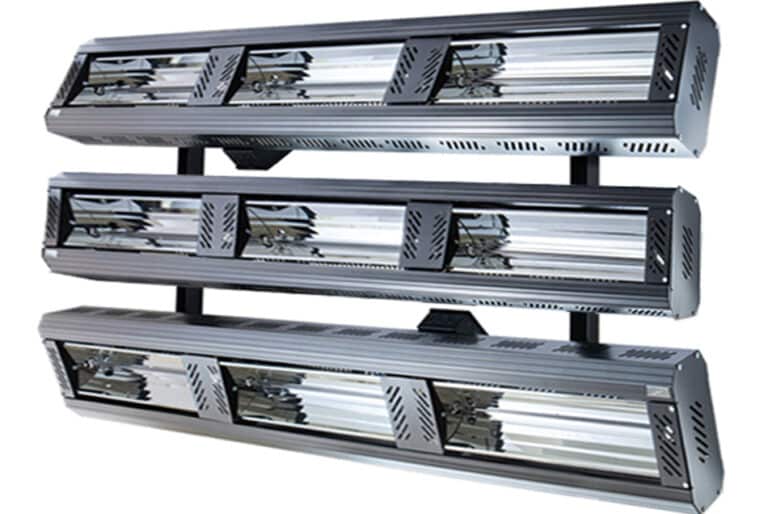
Our systems use Apollo infrared heaters for industrial heating and drying applications. Apollo heaters use quartz infrared technology, with models available from 1kW to 18kW.
This range gives us flexibility when designing systems for different applications. We can select the right heater configuration based on the heat required, the size of the product and the speed of the process.
The heater is only one part of the complete solution. We also consider heater position, heating area, product movement, required temperature, drying time, power supply and control requirements.
We use this information to create a system around your production process. This gives you more than a standard heater installation. It provides a complete process heating solution.
Industrial drying applications
Infrared heating can support many industrial drying processes. The system design will depend on the material, production method and required result.
Paper and printing
Paper and printed products may need to dry between production stages. Ink, coatings and moisture can all affect drying times and production speed.
Infrared heaters can provide controlled heat across a defined area. This can help speed up drying while allowing the heating system to work alongside conveyors and other production equipment.
For continuous production, the heaters can be positioned around the movement of the material. This creates a dedicated drying stage without requiring a separate drying room.
Textiles and fabric
Textiles can contain moisture after washing or processing. Fabric may also need to dry after a coating, treatment or finishing process.
Infrared heaters can provide controlled heat across the required area. The system can be designed around the width and speed of the material.
This can help create a consistent drying stage and reduce the time needed before the textile moves to the next part of the process.
Water-based paint
Water-based paints are used across many industries, including automotive repair and vehicle bodywork. Once paint has been applied, it must dry before the component can be handled.
Natural drying can take time and may reduce the number of jobs a business can complete. Infrared heating can direct heat towards the painted surface and help speed up the drying process.
Infrared heating is already used for paint and coating applications. Its ability to provide rapid, targeted heat makes it suitable for processes where drying speed is important.
Metal components
Metal parts may need drying after cleaning, washing, painting or coating. If moisture remains on the surface, it can affect the next stage of production.
Infrared heaters can heat metal surfaces quickly. The heaters can be positioned around the product or production line to create a dedicated drying zone.
This can reduce the need for a large drying room and allow the drying stage to form part of the existing production process.
Food production
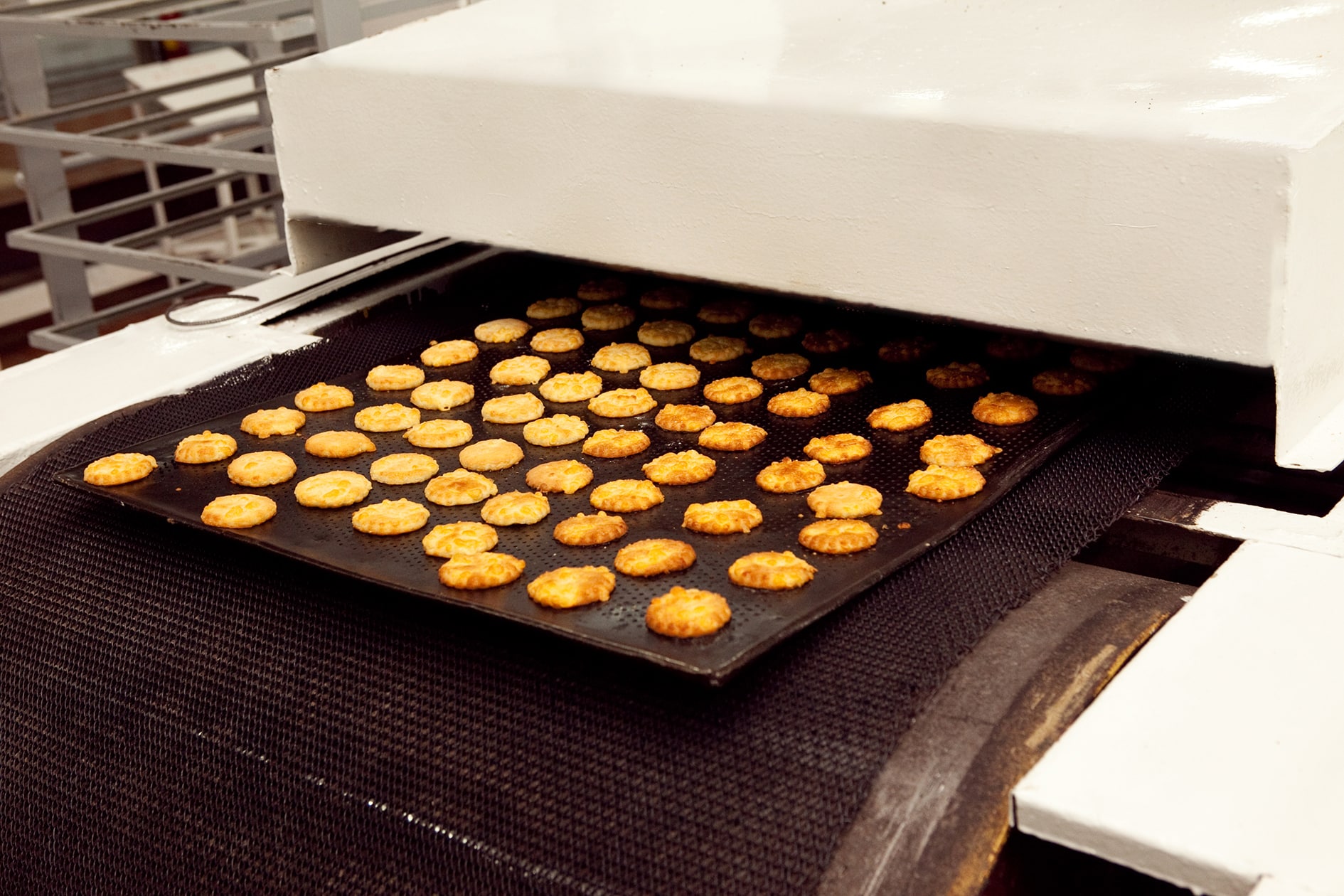
Many food processes require controlled heating and drying. Applications can include moisture removal, surface drying and cooking.
Infrared can provide controlled heat across a defined area. The system must be designed around the food product and the required process conditions.
Temperature, moisture content, product size and production speed all need to be considered when designing the heating system.
How infrared heating can improve production
Drying speed can have a direct effect on the whole production process. If a product takes too long to dry, it cannot move to the next stage. This can create a bottleneck and reduce overall output.
A suitable infrared system can help reduce this delay. By adding controlled heat to the drying stage, products may be ready for handling or further processing sooner.
Faster production
A shorter drying stage can help products move through the production process faster. This may allow manufacturers to increase output without making major changes to the rest of the production line.
Better consistency
Controlled heating can provide more repeatable drying conditions. This can help reduce differences between products and batches.
Less manual work
A dedicated drying system can reduce the need for staff to move products between separate drying areas. It can also form part of an automated production process.
Better use of space
A defined heating zone can take up less space than a large drying room. This can help manufacturers make better use of their existing production area.
More control
The system can be designed around the required temperature, drying time and production speed. This gives manufacturers greater control over the drying stage.
The actual energy savings and production improvements will depend on the application. We can assess your process to identify where infrared heating could provide the most benefit.
A system designed for your process
Every drying process is different. The right heating system depends on the material, product size, production speed and required result.
Before designing a system, we consider what needs to dry and how the product moves through the process. We also look at the amount of moisture, the required temperature and the available space.
Key factors can include:
- Material type
- Product size and shape
- Moisture content
- Coating type
- Required temperature
- Required drying time
- Production speed
- Conveyor speed
- Available space
- Electrical supply
- Control requirements
- Existing equipment
This information helps us choose the right heater setup and position the heaters correctly. The result is a system designed around your production process rather than a standard installation.
Automated industrial drying
Automation can make drying faster and more consistent. A manual process may require staff to move products into a drying area and check when they are ready.
An automated system can make drying part of the production line. For example, a painted component could move along a conveyor and pass through a dedicated infrared heating zone.
Apollo heaters can provide controlled heat as the component moves through the zone. Once the required drying stage is complete, the component can continue to the next production stage.
This can reduce manual handling and improve production flow. The heating system can also be designed around the speed of the conveyor and the spacing of the products.
Heat the product, not the whole building
Large industrial spaces can be difficult and expensive to heat. If the main goal is to dry a product, there may be no need to heat the entire building.
Infrared provides a more targeted option. The heaters can focus heat on the product or drying zone instead of heating large areas that do not require it.
Apollo infrared heaters can provide rapid radiant heat for industrial applications. We can position the heaters to match the product, production line and required heating area.
This can create a focused heating zone within the existing workspace and help make better use of the available energy.
Infrared heating or heated air?
Many drying systems use heated air. A fan heater warms the surrounding air, which then transfers heat to the product.
Infrared takes a different approach. It sends radiant energy towards the material, allowing heat to be focused on the product or process area.
Neither method is right for every application. The best choice depends on the material, production process and required result.
Infrared may be suitable when you need fast heat, targeted heating, controlled drying, repeatable results or production-line integration.
If your current heated-air system works well, there may be no reason to replace it. However, if drying is slow or difficult to control, infrared may offer an alternative worth investigating.
When do you need industrial drying heaters?
A dedicated drying system may be useful if your current process is too slow or difficult to control. It can also help when drying is limiting production or creating extra manual work.
You may benefit from an industrial drying solution if:
- Products currently dry naturally
- Drying times vary between batches
- Drying is slowing your production line
- Water-based paint takes too long to dry
- You rely on fan heaters or heated air
- Staff spend time moving products to drying areas
- You need more consistent results
- You want to increase production
- You want to automate a manual process
- Your existing system lacks capacity
A process assessment can help determine whether infrared heating is suitable for your application.
A bespoke process heating solution
Standard heaters do not always suit industrial production processes. Every production line has different requirements, and products vary in size, shape and material.
A bespoke heating system allows these factors to be considered from the beginning. We can develop an Apollo infrared system around your application and production requirements.
This may include heater selection, heater positioning, mounting, temperature control, timing controls and system integration. The system can work with existing equipment or form part of a new production line.
This approach gives you a heating solution that fits the process rather than forcing the process to fit the heater.
Why choose infrared for industrial drying?
Infrared offers several benefits for suitable industrial applications.
Fast response: Infrared heaters can produce heat quickly, helping reduce warm-up times.
Targeted heat: Heat can be focused on the product or process area rather than the whole building.
Flexible design: Heater position and power can be selected to suit the application.
Process control: Heating can be designed around the required temperature and drying time.
Automation: Infrared heaters can form part of production lines and automated systems.
Reduced drying times: For suitable materials, infrared can help speed up the drying stage.
The final result depends on the application. We can assess the material, process and production requirements before recommending a heating system.
Improve your industrial drying process
A slow drying process can limit production. It can increase waiting time, manual work and operating costs.
A well-designed infrared system can provide faster and more controlled heating. Our Apollo-based solutions are designed for industrial applications involving paper, textiles, paint, metals, food and other materials.
We design each system around the application, from individual drying stations to integrated production-line systems.
Contact our team to discuss your process heating and drying requirements.
Superior design & performance to any other infra red heater on the market
PRODUCTS TO SUIT THIS APPLICATION
-

Perfect heating solution for industrial areas and large open spaces.