
Multiple flats

Modern Electric Heaters for Multiple Flats and Apartments
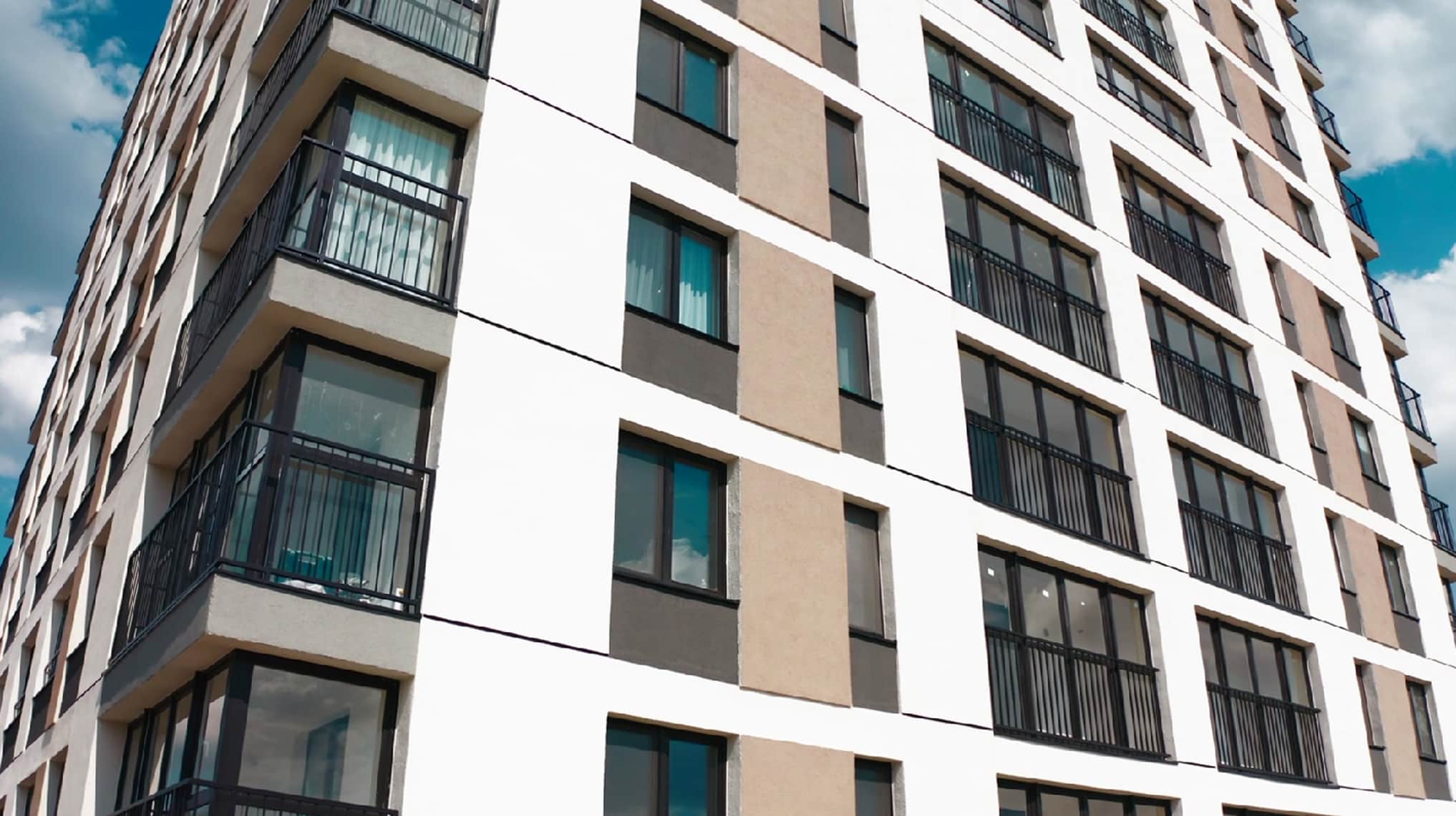
Heating multiple flats and shared apartment blocks takes careful planning. Traditional central heating systems often struggle in these spaces. They use complex pipes, high upkeep costs, and cannot control heat room by room. For landlords and property developers, finding an efficient heating choice is vital.
Whether you build compact developments or manage multiple flats, picking the right setup drives tenant happiness and keeps costs down. This guide looks at modern electric heaters—like advanced panel options and infrared units—compared to old systems.
The Evolution of Multi-Occupancy Temperature Management
In the past, properties relied on old boilers or storage units tied to a single central heating loop. These setups often cause arguments between tenants over bills and indoor heat. When landlords look for dedicated multiple flat heaters or small spaces, they need tools that put users in charge while protecting owner interests.
Why Legacy Setups Fall Short
- Poor individual control: Old setups make it hard for tenants to adjust warmth on their own without affecting other rooms.
- Rising bills: Whole building systems often heat empty spaces, driving up energy bills.
- Upkeep headaches: Shared boilers and pipe networks need constant care, risking leaks and costly emergency fixes.
Comparing Modern Electric Heaters vs. Traditional Systems
When picking a heating choice for new properties, managers often choose between wet radiators, standard convector units, and electric choices.
Panel Heaters and Convector Units
A modern panel heater or standard convector unit warms air locally and moves it around the room. While they heat up fast, old convector styles can dry the air or create uneven heat zones based on the room size. Still, new models have precise digital dials, so users can control heating with ease. They also include reliable, built-in safety features.
Infrared and Radiant Heating Systems
An advanced infrared heater works in a totally new way. Instead of wasting energy heating the air—which floats to the ceiling—radiation heats people and solid objects directly.
- Direct comfort: Radiant heat feels warm right away, even if the air temperature is lower.
- No air movement: Since they do not blow air around, they stop dust from flying. This makes them ideal for modern apartment heaters and allergy sufferers.
- Total freedom: Each unit works on its own, meaning tenants control their own space without touching shared systems.
Oil-Filled and Specialised Alternatives
Traditional oil-filled radiators retain heat well after being turned off, but they are bulky and slow to react to quick weather changes. Speciality units like a halogen heater give fast spot warmth, but fit short-term use better than main home heating.
Tailored Heating for Multiple Flats and Multi-Tenanted Buildings
Managing multiple flats means following strict rules on safety and comfort. Finding reliable flat heating solutions means balancing low energy use with tenant freedom.
In multi-tenant blocks, arguments often spark over shared utility bills. Setting up modern electric heating with local controls stops one tenant from wasting power. Furthermore, electric systems remove the need for yearly gas safety checks across complex pipes, making life much easier for landlords while offering exceptional cost-effectiveness.
Optimising for Room Size and Layout
Every layout is unique. Finding the right power level for the room size is key to high energy efficiency. Small units will run non-stop, while oversized units waste money. Modern electric systems offer flexible power outputs, ensuring studio flats and large multi-room spaces get steady warmth.
Frequently Asked Questions
What are the best options for apartment heaters in modern blocks?
Modern apartment heaters use slim electric infrared panels or digital panel heater units. They need no pipes, mount easily on walls or ceilings, and let tenants control their rooms.
How do multiple flat heaters differ from standard residential systems?
Dedicated apartment heaters must be robust, fast to respond, and work alone. Because many people share a building, electric systems stop bill disputes and offer superior safety compared to old gas boilers.
Why is electric heating more efficient than traditional central heating for flats?
Old systems lose heat through long pipes. Modern electric heating turns power straight into warmth where you need it, boosting energy efficiency when paired with smart digital dials.
Can infrared heaters reduce overall energy bills?
Yes. Because infrared heater panels warm objects directly with radiant heat, rooms feel cosy at lower air temperatures, helping cut energy bills.
How do I calculate the correct heater size for a room?
You must check the room size in cubic meters, look at insulation, window size, and outside walls to find the exact wattage you need.
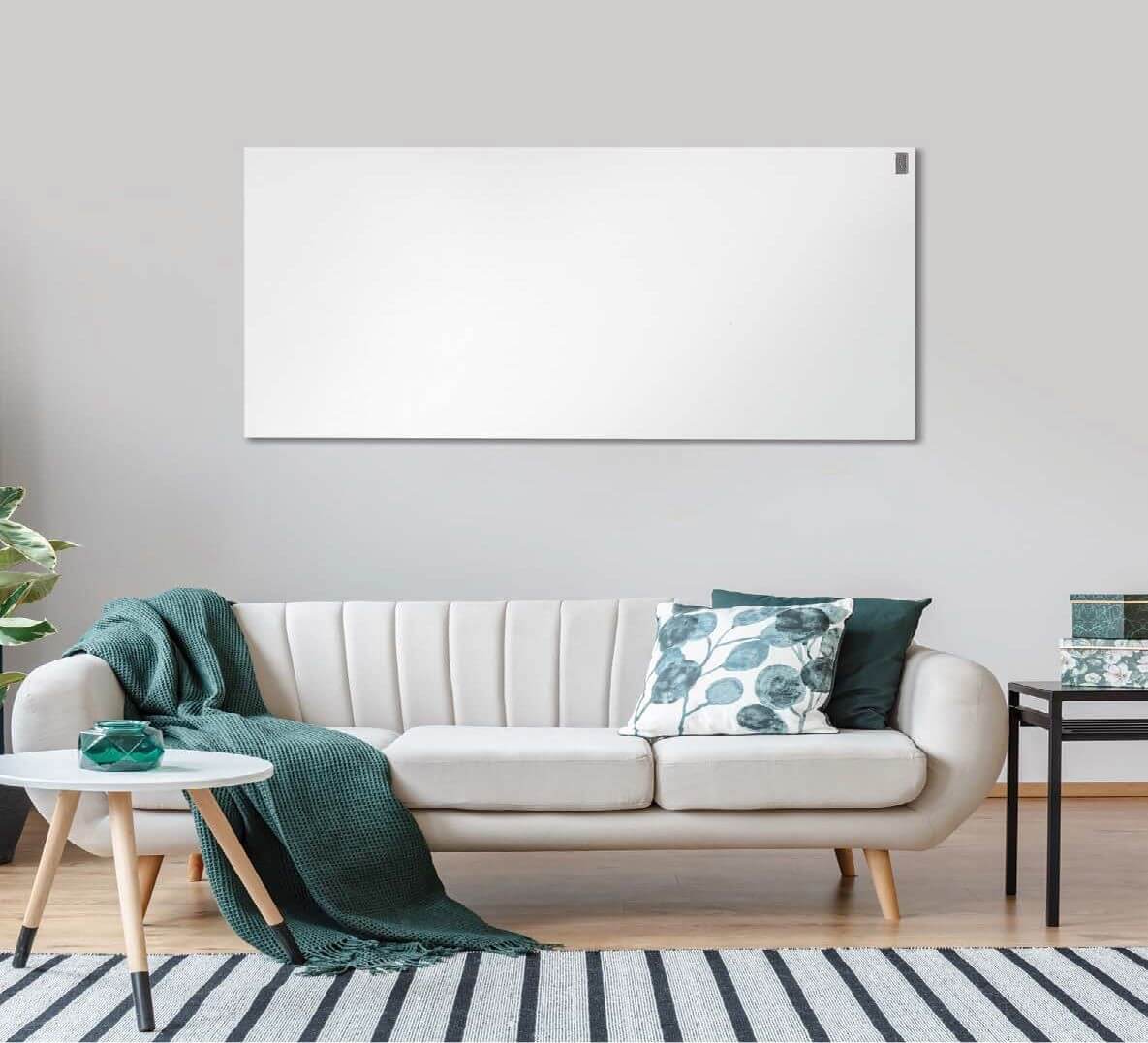
Superior design & performance to any other infra red heater on the market
PRODUCTS TO SUIT THIS APPLICATION
-

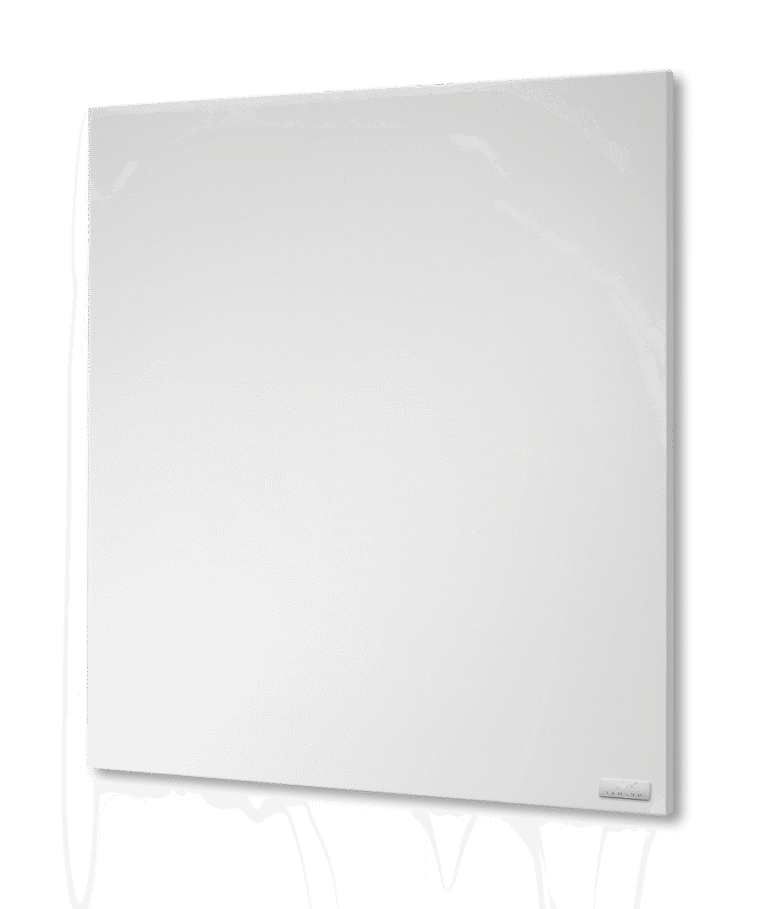
Stylish Infrared Heat Panels
-

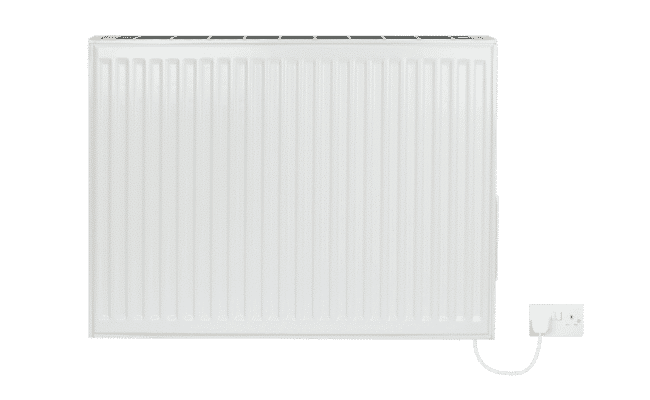
Modern pipe-free electric radiator featuring a self-contained central heating system.