

Universities heating

University Block Heating Systems and Infrastructure
Universities must balance student comfort with strict green goals and tight budgets. Higher education campuses act like small towns. They feature large lecture halls, big sports complexes, student flats, and research labs.
Older heating setups often fail to meet these needs. They waste a lot of energy and cause massive heat loss across large campus grounds.
Modern campuses are changing fast. They are ditching old, heavy equipment. Instead, schools are investing in smart university block heating systems and wide district heat networks. These key upgrades cut carbon output, fix old utility networks, and boost campus efficiency.
The Challenge of Heating Campus Spaces
Most universities use central boilers or old radiators to run university heaters across campus. However, these systems heat the air instead of the people. This causes huge energy waste, especially in rooms with high ceilings or drafty hallways.
When heating big areas like sports halls, standard systems warm the air near the roof first. Hot air naturally rises, which leaves the floor cold while wasting heat overhead.
As utility prices jump, schools need energy efficient heating choices. They must cut costs without losing student comfort or focus.
Why Infrared Heaters for Universities Work Better
To solve these issues, many estate managers use infrared heaters for universities. Standard convection heaters warm up the air volume. In contrast, infrared heat acts like the sun. It passes through the air without warming it, heating people and solid objects right away.
This direct-warmth method brings clear perks for schools:
- Targeted Warmth: By using ceiling mounted panels, schools put heat right where it is needed—such as over study desks or seating rows. This stops heavy heat loss.
- Lower Power Use: There is no need to heat large blocks of air. This drops overall energy consumption fast and cuts peak load stress.
- Better Air Quality: Keeping a steady ambient temperature without blowing dust creates a clean, healthy space for students to study.
Upgrading Your Campus Heating Infrastructure
Upgrading a campus heating system does not mean ripping out every pipe. Many schools now use smart hybrid setups. For instance, pairing modern heat pumps with local radiant panels lets universities use green energy. It also gives staff precise control in busy libraries and study zones.
These flexible updates mean historic buildings can be retrofitted without disrupting classes. Furthermore, installing digital stats and smart zoning stops heat waste in empty rooms, saving valuable funds across the academic year.
As schools push hard to meet net-zero carbon goals, choosing energy efficient technology is a vital step. Smart zoning and radiant panels help shrink carbon footprints, lower monthly utility bills, and build sustainable spaces for everyone on campus.
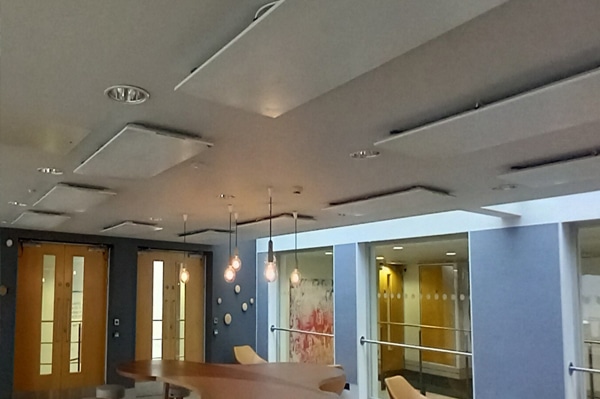
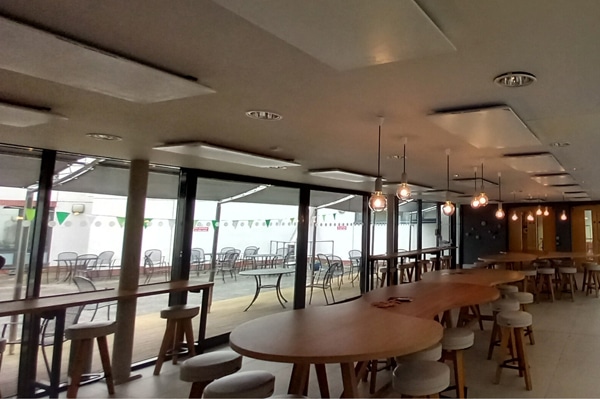
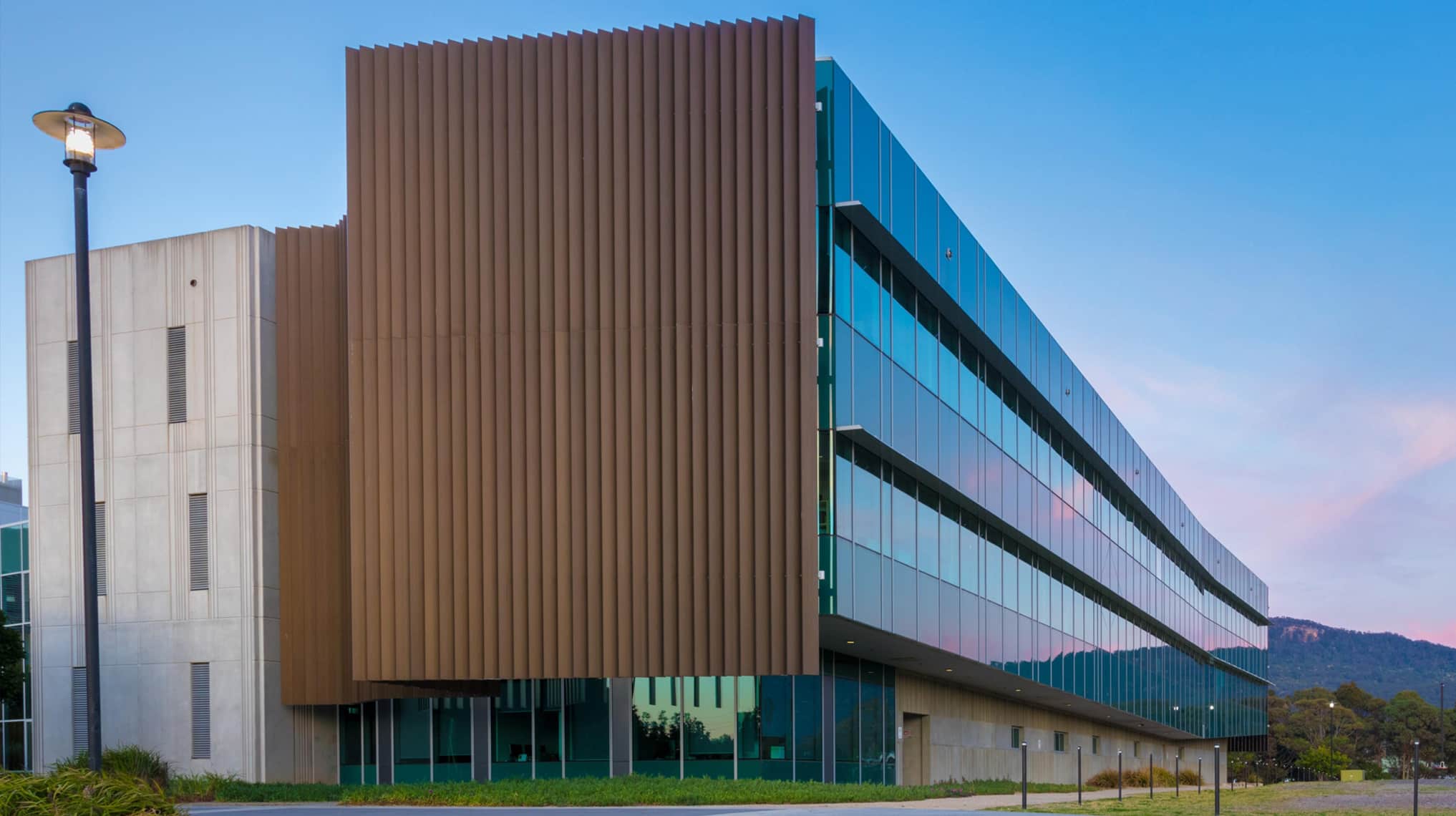

Superior design & performance to any other infra red heater on the market
PRODUCTS TO SUIT THIS APPLICATION
-
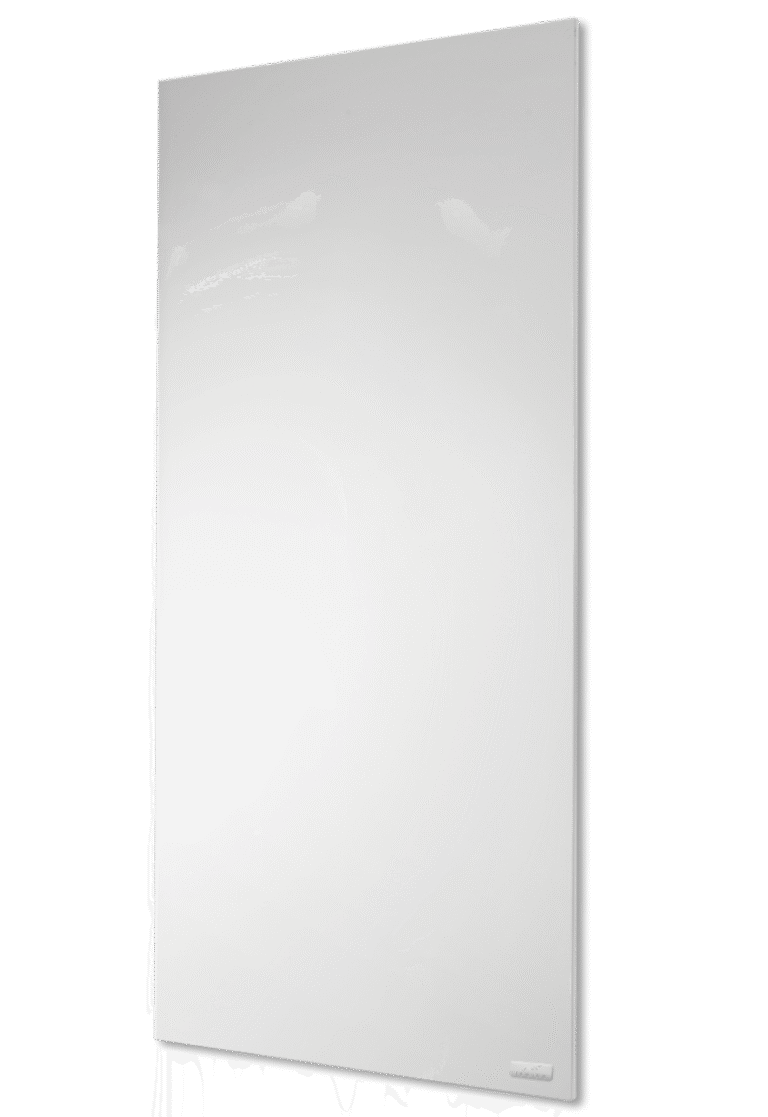
Turn any room into a warm and comfortable area
-

A lightweight and discreet infrared heat panel
-
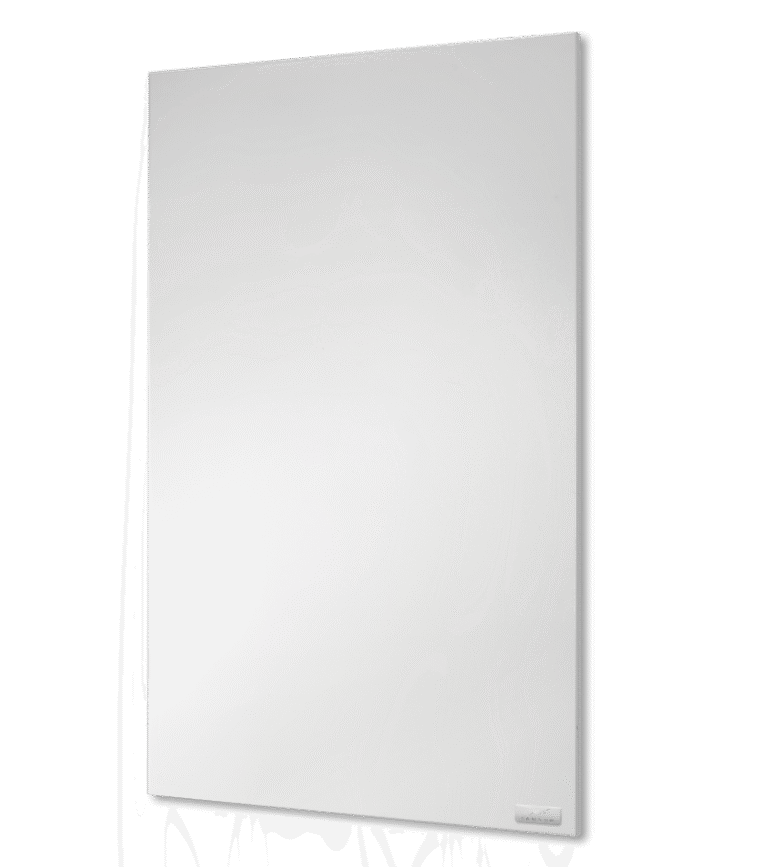
Stylish, efficient and functional