
Heritage & historical building heating

Advanced Heating Systems for Historical Building Heating
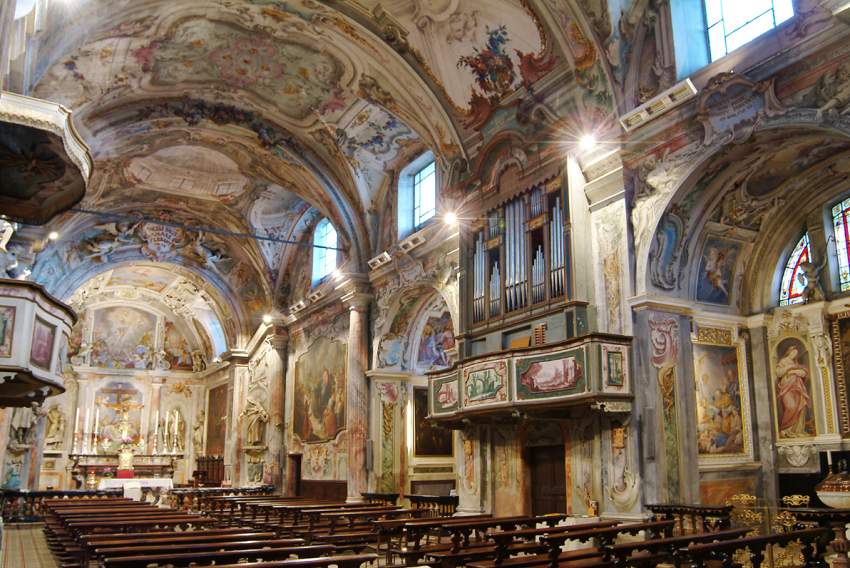
Protecting old architecture is tough. Property managers and trustees often struggle to find a reliable heating solution for historic buildings and listed buildings.
The main goal is simple: keep people warm without hurting the delicate building fabric. Old spaces need extra care. Standard setups often fail. Conservation officers demand safe methods that respect old stone, wood, and art.
Finding the right balance takes careful thought. Property teams must look at how older spaces lose heat so they can make smart choices. When heritage sites host public events, visitors expect comfort. Yet, meeting those expectations must never compromise structural integrity. Facility managers need trusted guidance to navigate conservation rules. Modern engineering now offers specialised ways to warm ancient rooms safely.
The Core Challenge: Traditional Heating Failure
Most older properties feature tall rooms and high ceilings.
Standard radiators or wet systems heat the air instead of the people. Because rooms are tall, hot air rises fast. This causes severe heat loss at floor level, leaving congregations and visitors shivering below.
Legacy systems also need long pre-heating cycles. Staff must turn units on days early just to warm the space for visitors. This wastes money and strains tight budgets.
Worse yet, running bulky pipes through ancient walls ruins fine interior finishes. Historic trust boards need options that avoid deep masonry cuts and messy plumbing work. Convective setups simply cycle dry air, which can dry out ancient wooden beams and priceless artefacts over time.
Assessing Modern Alternatives
Property custodians often test green tech during a retrofit:
- Heat Pumps: Ground source heat pumps or an air source heat pump lower carbon outputs over time. However, they require disruptive pipe grids and large radiator layouts that do not fit old walls.
- Underfloor Systems: Underfloor heating requires deep cuts into historic floors. This makes it unsafe and structurally unviable for many protected sites with original stone flags.
These issues drive a shift toward non-invasive modern heating and energy-efficient heating systems. Modern projects need smart choices to stay compliant with local rules. Property leaders must carefully weigh installation effort against long-term operational savings and structural preservation goals.
Tansun’s Infrared Solution
Tansun shortwave quartz infrared technology skips the need to heat empty air.
Instead, it sends instant warmth straight to people and objects.
These heating systems require zero groundwork or wall-chasing. They keep the historic building fabric totally safe. Owners trust this method because it targets comfort zones directly. Real-world sites show massive energy savings compared to wet or underfloor setups.
Infrared waves travel through the air instantly. Visitors feel warm the moment they arrive, cutting out long pre-heating times entirely. Because the technology relies on radiant warmth rather than air currents, dust circulation is kept to a minimum, protecting sensitive indoor environments.
Recommended Tansun Heaters for This Application
To heat large rooms and high ceilings well, Tansun offers specific infrared heater lines:
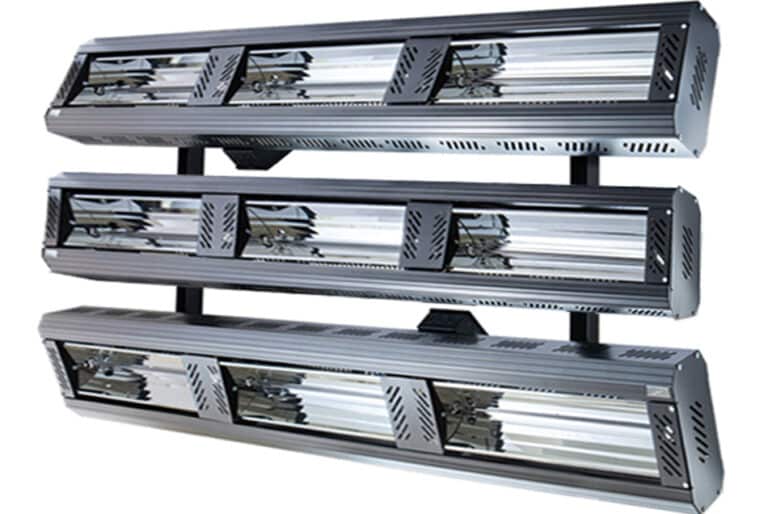
- Apollo – Infrared Heater Range: This is the top heating solution for wide-open spaces. It handles high ceilings and fast heat loss in historic halls and public rooms without altering the building fabric. Units range from 1kW to 18kW to fit any scale.
- Rio Grande – Weatherproof Infrared Heater Range: These stylish shortwave heaters work great if your venue features outdoor canopies, entrance walkways, or covered entry points.
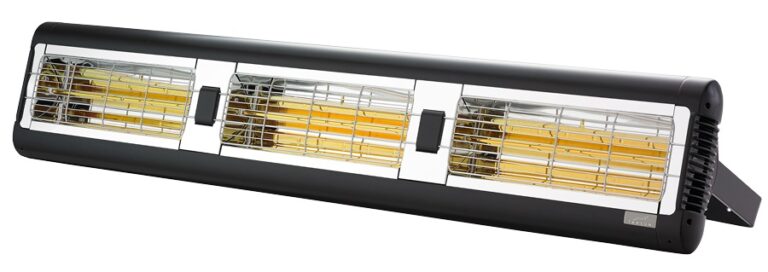
- Sorrento Range: These robust, weatherproof commercial heaters deliver powerful heat right where visitors need it. They blend smoothly into traditional settings in single, double, or triple builds.
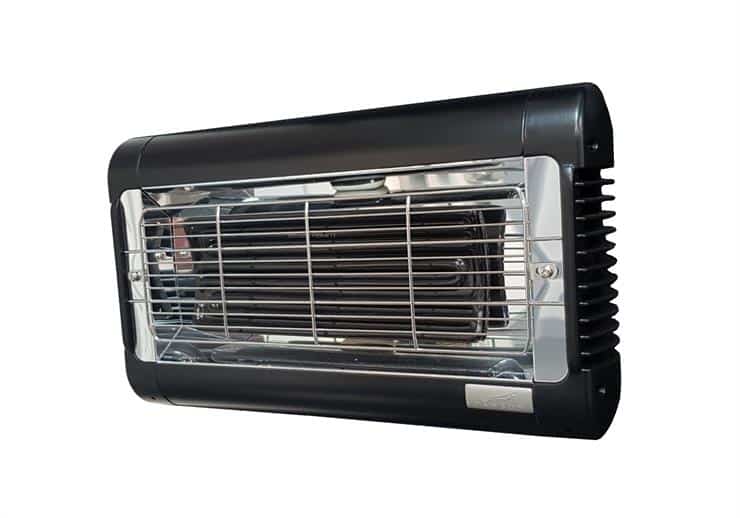
- Monaco Low Glare Series: Perfect for subtle visual profiles, these units give targeted shortwave comfort without harsh red light.
Frequently Asked Questions (FAQs)
Can heritage building heating be upgraded without planning permission?
Listed buildings have strict protections. Physical changes to the building fabric usually need consent. Because Tansun infrared heaters need minimal setup and avoid major pipework, conservation officers often view them favourably.
Will infrared heaters damage historic interiors or artwork?
No. Tansun shortwave infrared warms occupants directly. It does not bake the air or cause wild humidity shifts, keeping fragile historic interiors safe.
Do these systems require long pre-heating times?
No. Traditional systems need hours or days of prep. Tansun infrared heaters deliver instant warmth the second you switch them on.
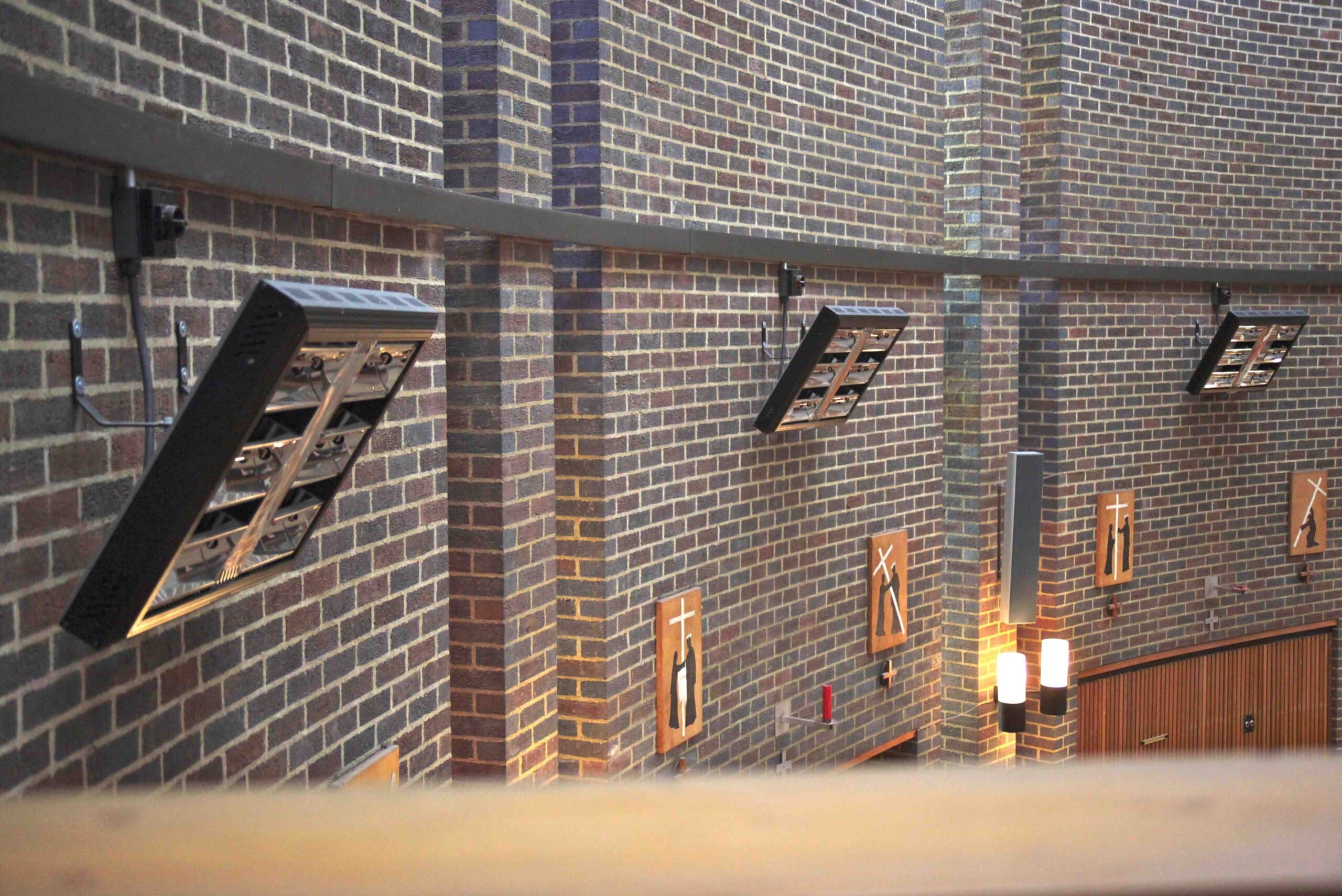
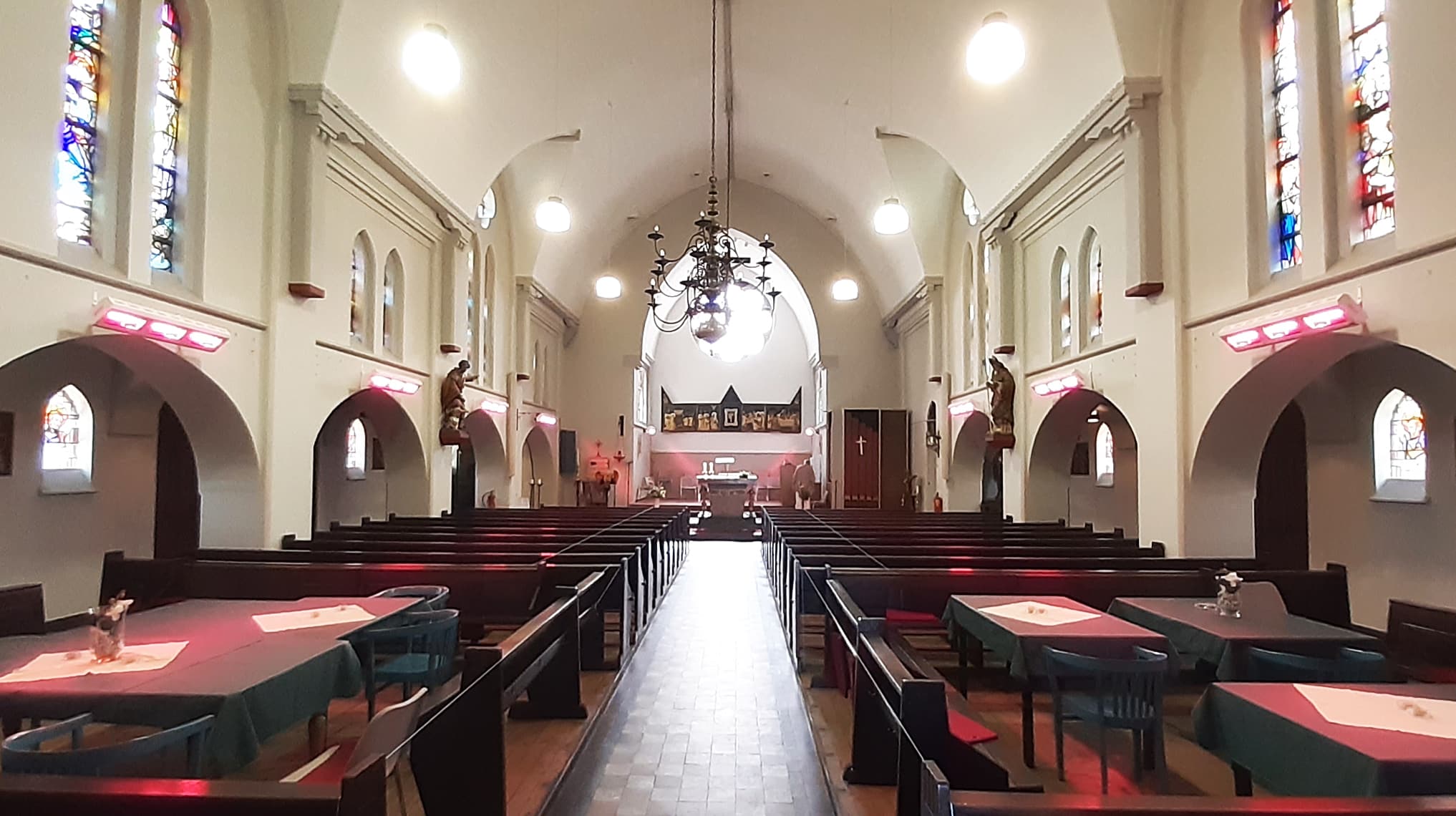
Superior design & performance to any other infra red heater on the market
PRODUCTS TO SUIT THIS APPLICATION
-

Perfect heating solution for industrial areas and large open spaces.
-

Robust multipurpose weatherproof commercial shortwave infrared heaters.
-

Robust multipurpose no glare ceramic medium wave infrared heaters.
-

Stylish Infrared Heat Panels